
Chapel Hill, North Carolina
Water Damage Drying and Mitigation in Chapel Hill, NC
Our local water damage professionals dry damp bathroom walls, kitchen cabinets and bedroom subfloors in Chapel Hill after water removal. Call now about moisture that remains beneath carpet or along baseboards, and your technician will trace it and explain the drying work.
- Calls answered 24/7
- Drying and dehumidifying
- Serving Chapel Hill and nearby
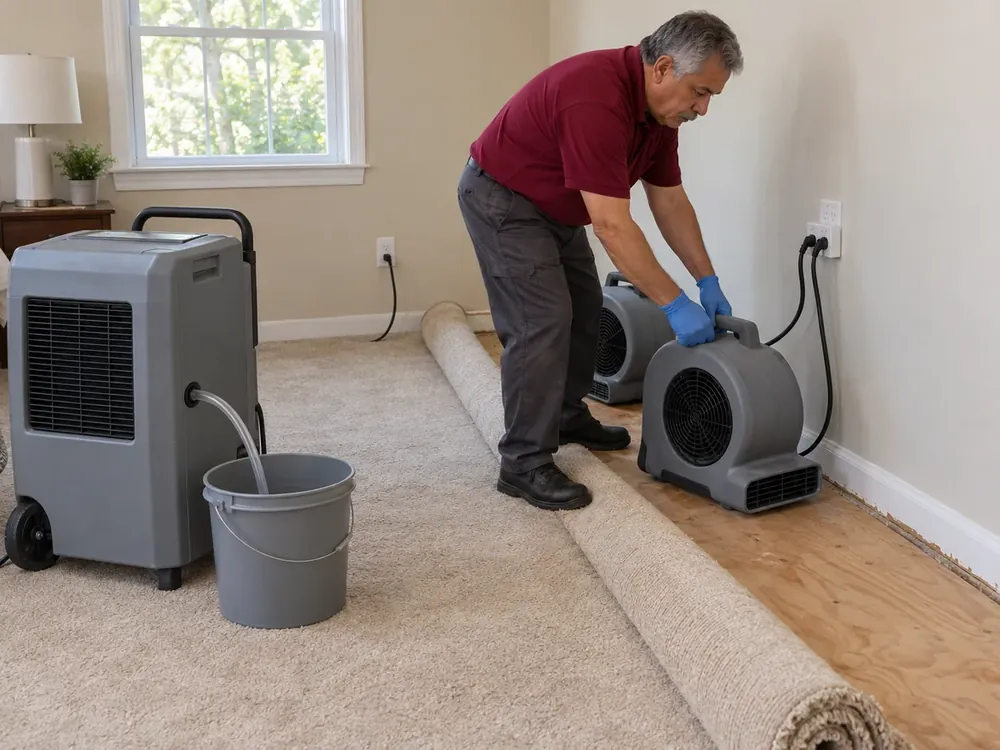
Signs Your Rooms Need Drying After Water Removal
Where it shows up
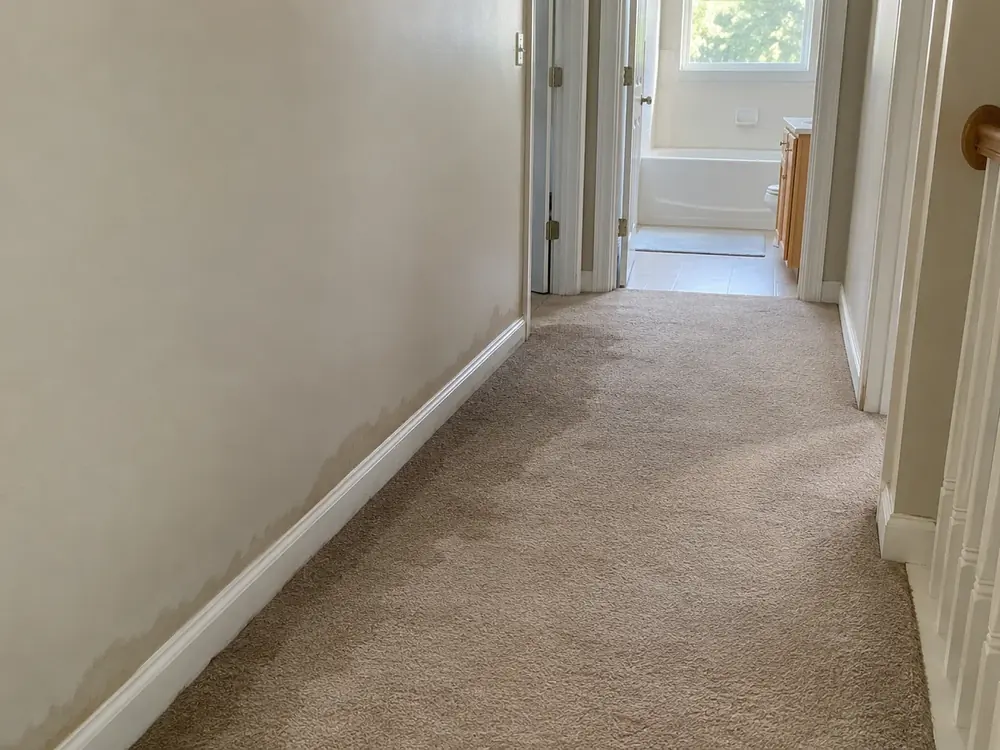
- Bathroom walls show darker patches above the baseboard after the puddle has disappeared.
- Kitchen cabinet bottoms stay swollen, with damp edges along the toe-kick below the sink.
- Bedroom carpet feels wet at the doorway, even when the center looks dry.
- Hallway hardwood boards develop raised edges where water crossed from another room.
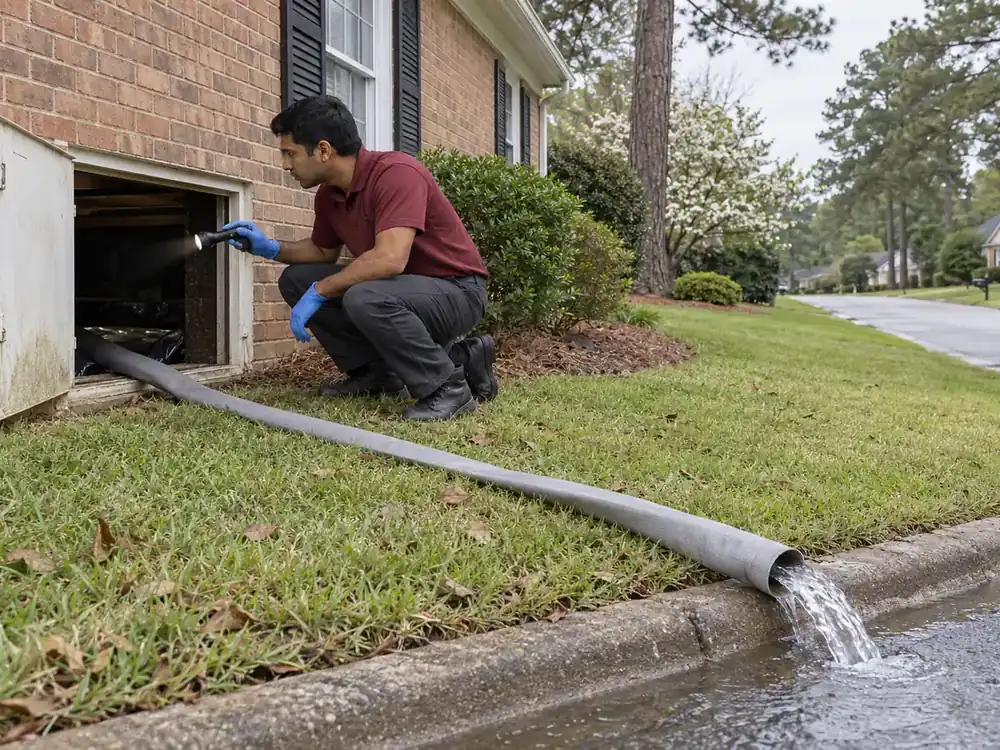
- Crawl space framing looks damp beneath a bathroom or laundry room leak.
Call about the affected room now; your technician checks beyond the visible wet patch.
The first hour
- Call now about damp bedroom carpet, bathroom trim or kitchen cabinets; describe any water still spreading.
- Close an accessible fixture valve if you can reach it safely, and avoid water near electrical outlets.
- Lift small valuables from safely accessible wet floors and photograph visible damage from a dry spot.
- During equipment drying, close windows and exterior doors if outdoor air is humid; use HVAC as your technician advises.
- Your technician checks the source and remaining water, records initial moisture readings, and positions drying equipment after extraction.
Drying for Walls, Floors, Cabinets and Crawl Space Framing
- Bathroom walls. Your technician measures moisture around the vanity and baseboards, then directs air across materials that can dry in place. Soft or damaged sections that cannot be dried are identified for removal.
- Kitchen cabinets. Drying addresses wet cabinet bottoms and the concealed space behind the toe-kick. Equipment placement depends on where moisture has reached, rather than just the visible puddle.
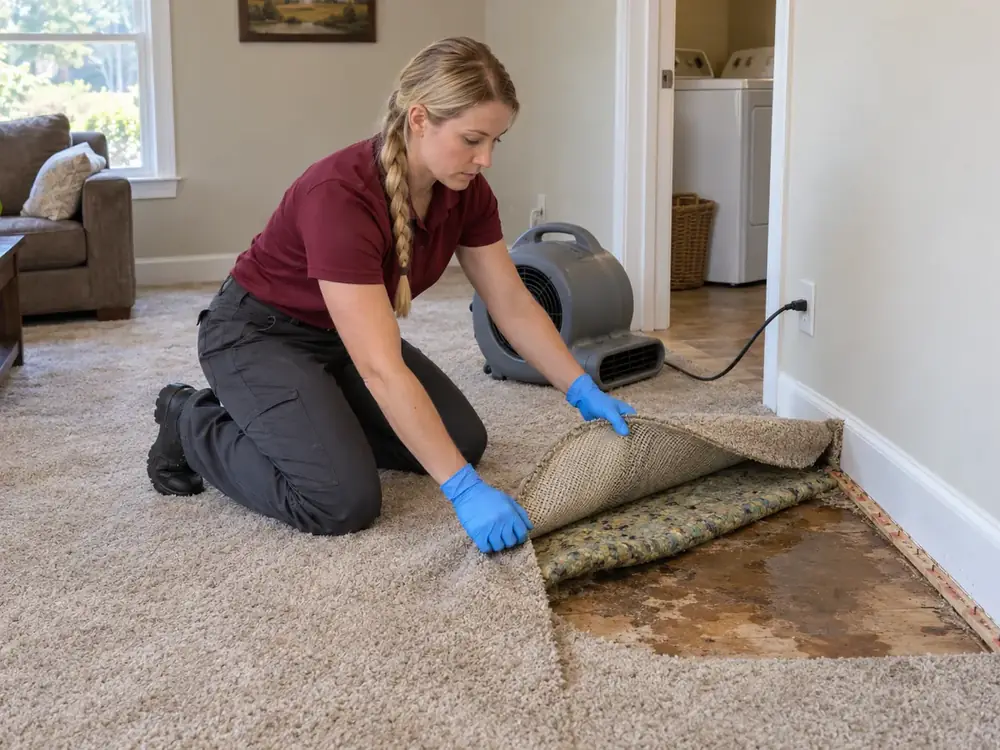
- Bedroom floors. Air movers support evaporation from carpeted areas and exposed subfloor, while dehumidifiers remove moisture from the room's air. Equipment capacity is matched to the affected space.
- Crawl space framing. Your technician checks damp wood beneath the affected rooms and plans drying around the access opening and obstructions. Unsalvageable wet materials are separated from framing that can remain.
- Room moisture records. Daily readings track walls, floors and framing against the drying target for each material. Photos and a written scope provide documentation for insurance.
From the First Call to Measured Dry Rooms
- Call and name the room: a wet bathroom wall, a swollen kitchen cabinet or a bedroom floor that remains damp after extraction.
- Your technician traces the water source, checks the affected materials and maps moisture beyond the surface stain.
- The proposed scope and price are explained before work begins, including equipment placement and any materials that cannot be retained.
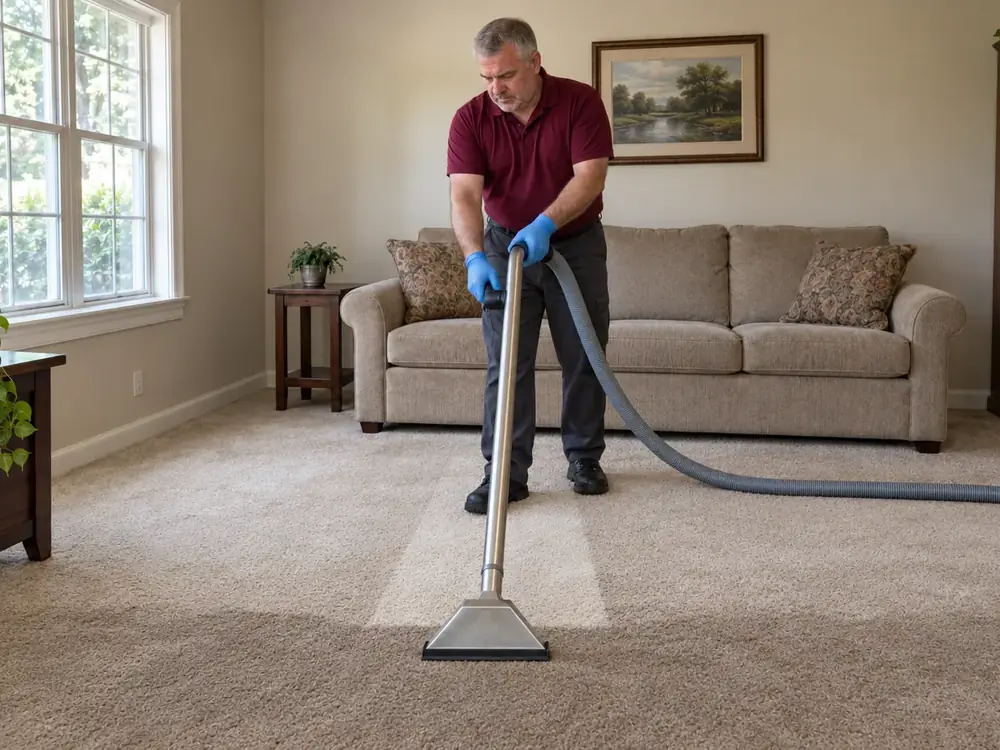
- Remaining water is extracted as needed, then air movers and dehumidifiers dry the rooms; repeated readings document progress until retained materials reach their drying targets.
What Affects Drying Costs in Chapel Hill
Drying costs depend on the wet rooms, affected materials and access needed to reach trapped moisture.
- Water spreading from the bathroom into bedroom walls increases the drying area.
- Clean supply water and sewage require different handling of wet materials.
- Cabinets, thick subfloors and crawl space framing need different equipment arrangements.
- Time spent wet affects what can be saved; equipment quantity and drying days affect the work involved.
- Tight access beneath the house and after-hours work also influence the scope.
One of our local water damage partners explains the drying plan and its price before work gets underway. Read more about restoration cost factors.
Keep Wet Rooms and Drying Equipment Safely Separated
Keep children and pets out of wet rooms and away from running drying equipment.
In bedrooms and hallways, use a clear walking route around air movers, drain hoses and extension cords. Never unplug or reposition equipment without asking your technician. Don't add household extension cords to the setup.
In bathrooms and laundry rooms, CDC guidance says to avoid operating electrical equipment while standing in water; see the first-hour safety steps. Switch off power only from a safely reachable dry location.
Stay out from beneath a sagging ceiling and avoid sewage or floodwater. Call from a dry room and describe the hazards without entering the wet area.
Related Services for Wet Rooms
Drying Services Around Chapel Hill
For water damage mitigation near Chapel Hill, call about damp kitchens, bathrooms or crawl spaces; drying services also extend to Carrboro and Durham.
Water Damage Drying and Mitigation FAQs
What does a dehumidifier do after water damage?
A dehumidifier removes moisture from the air while wet room materials release water during drying. In a bedroom, air movers help moisture leave the carpet and subfloor, while the dehumidifier collects that moisture. Your technician uses material readings to judge progress rather than relying on how dry the air feels.
What happens before moisture damage repair in a bathroom?
The leak must be addressed and retained bathroom materials dried before damaged finishes are replaced. Your technician checks the vanity, wall edges and subfloor to find moisture beyond the surface mark. Materials that cannot be dried are identified separately, so new trim or paint doesn't conceal a wet area.
How much does water damage mitigation cost?
The cost depends on how many rooms got wet, which materials hold moisture and how much drying equipment is needed. A kitchen cabinet leak can reach flooring beyond the cabinet footprint, adding work. Access, contamination, time spent wet and the length of equipment use also affect the scope explained before work begins.
Does flood damage need a dehumidifier in every room?
Equipment placement depends on the affected rooms and the drying conditions; a separate dehumidifier isn't automatically needed in each room. A flooded living room and adjoining hallway may need coordinated airflow and moisture removal. Your technician assesses contamination and salvageable materials before setting up equipment, then adjusts the arrangement as readings change.
Will a dehumidifier fix a water leak under the kitchen sink?
A dehumidifier won't stop a leak under the sink; it supports drying after the water source is addressed. A wet cabinet can hold moisture along its bottom, sides and the flooring beneath it. Call while the leak is happening, and close the fixture valve only if it's safe to reach.
If bathroom walls or bedroom floors remain damp after water removal, call now to start a drying plan for those rooms.
Call (919) 343-9143