
Chapel Hill, North Carolina
Basement and Crawl Space Water Removal in Chapel Hill, NC
Our local water damage professionals pump out basements and crawl spaces in Chapel Hill, remove ruined insulation and dry wet framing. Call when water surrounds basement storage or pools beneath the kitchen floor; describe the problem from a dry spot.
- Calls answered 24/7
- Basements and crawl spaces
- Serving Chapel Hill and nearby
Signs of Water Beneath Your Living Space
Where it shows up
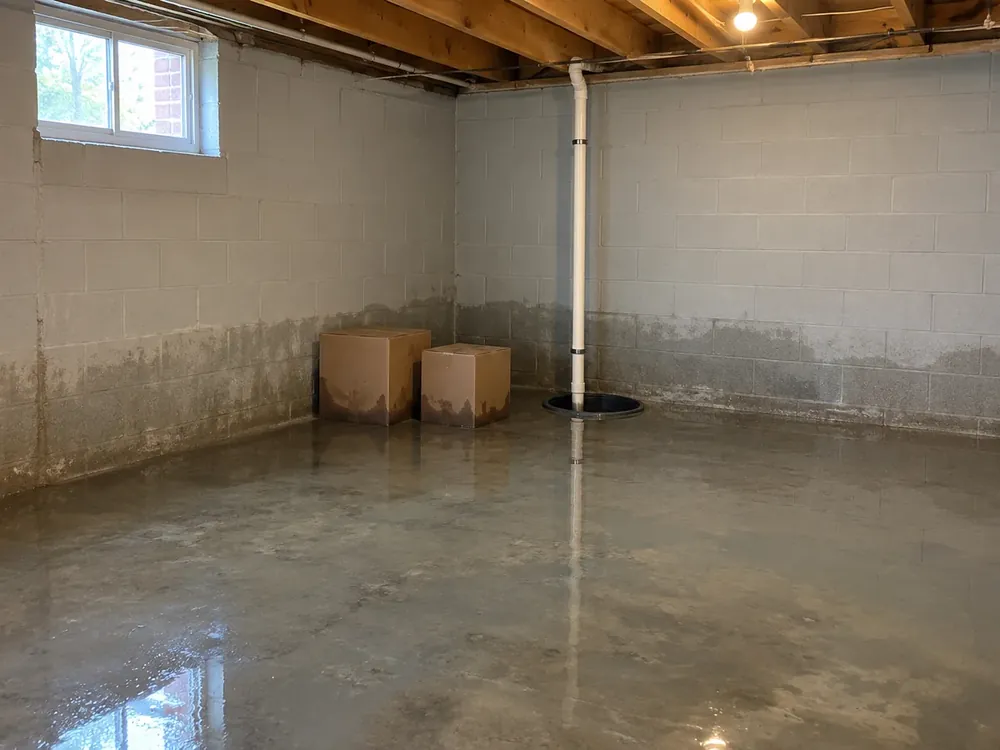
- Unfinished basement water spreads around the sump pit and wets the bottoms of storage boxes; call without stepping into it.
- Finished basement carpet feels wet at the stair landing, and wall bases show darker patches; keep clear of wet outlets.
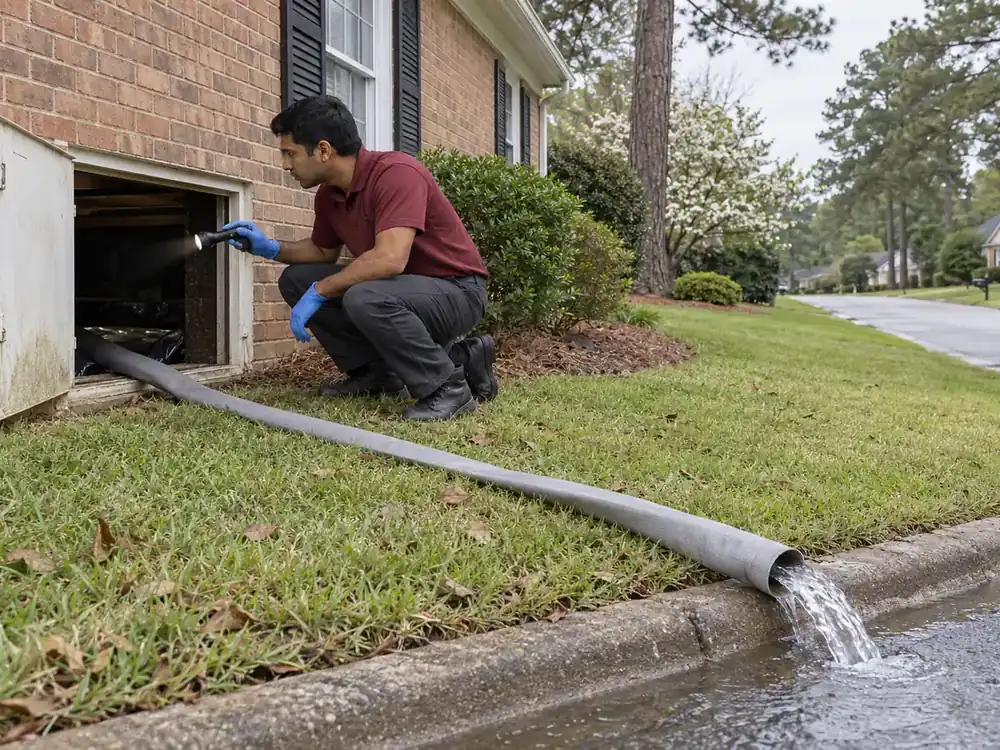
- Crawl-space insulation hangs down with dark, saturated sections visible from the access opening; stay outside.
- Water pools under bathroom supply pipes, or dripping is audible beneath the floor; mention the sound during your call.
- Kitchen flooring develops damp edges above a wet crawl space; your technician checks moisture below as well as at the surface.
The first hour
- Call about water below the house, noting whether it is in a finished basement, an unfinished room or the crawl space.
- If a pipe is spraying, close the main water valve only if you can reach it safely without entering water.
- Stay outside a wet crawl space and away from basement wiring, appliances and pumps; don't unplug equipment from a wet position.
- Your technician checks safe access, starts appropriate pumping or extraction, and examines insulation, framing and lower walls.
Water Removal and Drying Below the Floor
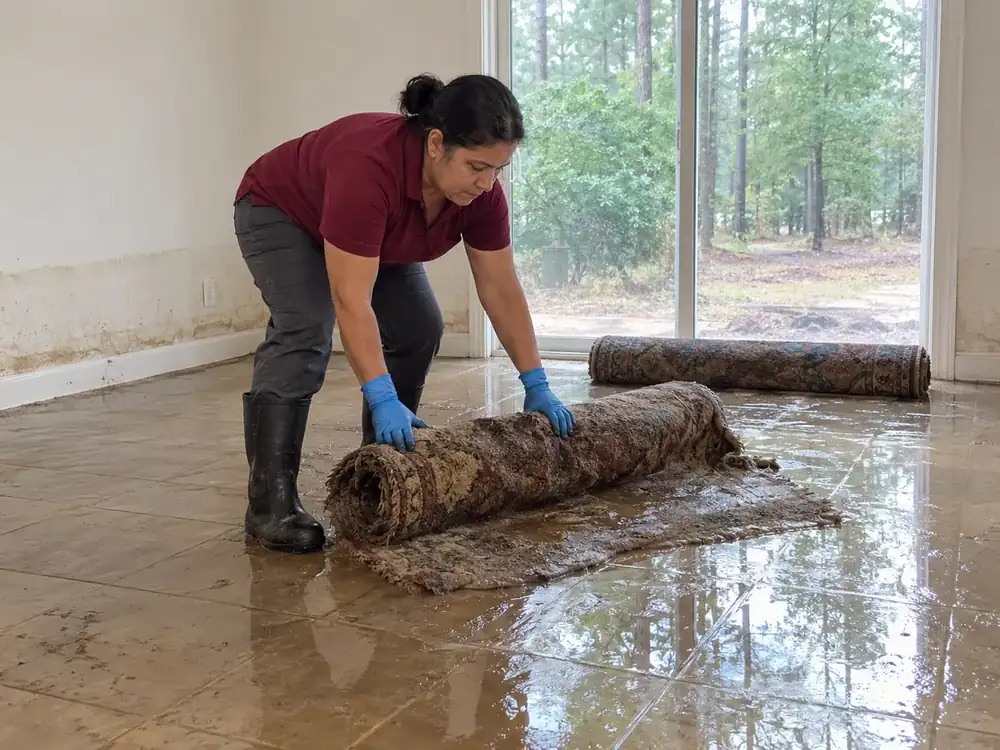
- Finished basement extraction. Water is extracted from wet carpet and floor edges after an access assessment. Your technician checks lower walls and adjacent rooms to trace moisture beyond the visible puddle.
- Unfinished basement pumping. Standing water is pumped from concrete floors, including water around a failed sump pump. Identifying the source helps separate removal and drying needs from repairs to the pump or plumbing.
- Crawl-space material removal. Wet insulation that needs replacement is removed under the agreed scope. Your technician checks the vapor barrier for pooled water, displacement and damage.
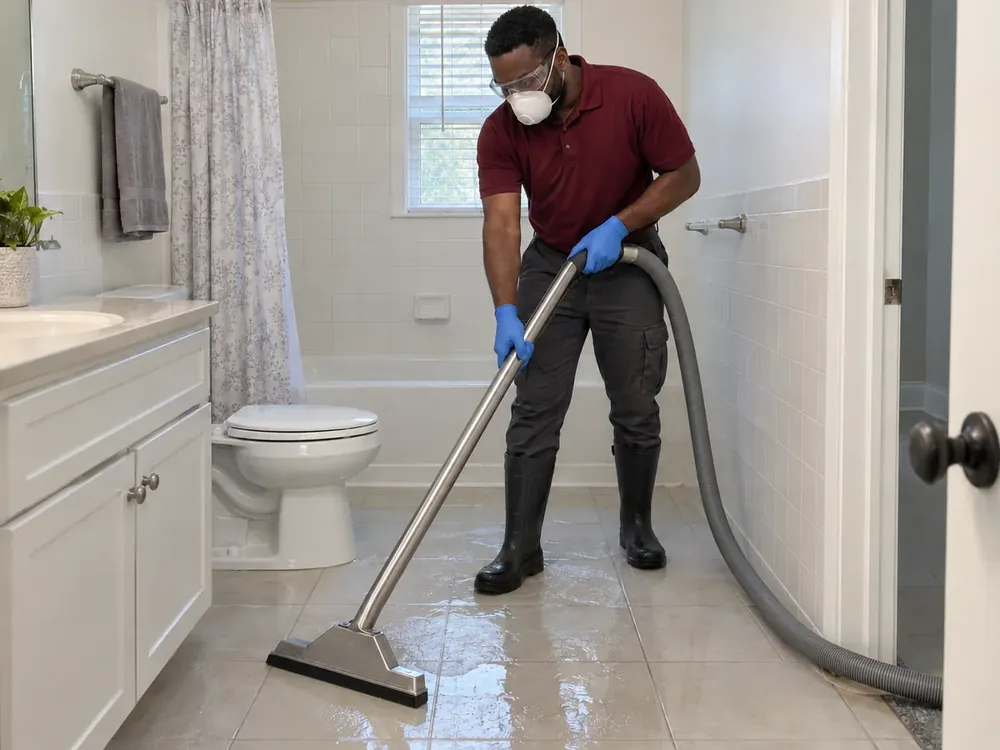
- Kitchen and bathroom floors from below. Drying addresses wet joists and subfloor beneath affected rooms. Equipment placement depends on access and the materials that need to release moisture.
- Readings and records. Moisture checks in floor framing, subfloor and basement walls track drying progress. Written records identify the areas treated and the readings taken along the way.
The Basement and Crawl Space Removal Process
- Tell us during the call whether basement water is spreading around belongings or whether you can see pooling from outside the crawl-space opening.
- Your technician assesses electrical and access hazards, traces the water source and measures moisture in basement walls or the underside of the floor.
- Discuss pumping, extraction, insulation removal and framing drying as needed. The proposed scope and price are explained before the work goes ahead.
- Water removal from the basement or crawl space leads into drying of retained materials. Repeated readings show progress in walls, joists and subfloor until drying goals are met, with the final condition documented.
Basement and Crawl Space Removal Cost in Chapel Hill
Water volume and the condition of materials below the house shape the scope.
- Depth and spread determine pumping and extraction needs in the basement.
- Clean supply water, sewage or muddy runoff call for different cleanup measures.
- Saturated insulation, finished walls and wet subfloor add separate tasks.
- Time spent wet affects drying needs, equipment and the number of drying days.
- Tight crawl-space access and after-hours timing also affect the work.
Before work proceeds, one of our local water damage partners reviews the scope and price with you. Compare the factors behind restoration costs.
Documenting Damage Below the House
Keep a record of wet basement rooms and the affected floor structure without entering unsafe areas.
- Photograph basement walls, water lines, ceiling stains, flooring and stored items from a dry landing or doorway.
- Let your technician document insulation and framing that cannot be photographed safely from outside.
- Save moisture readings and the written scope alongside photos showing which rooms sit above wet areas.
- Group damaged contents by location and retain receipts for the work.
Use the insurance documentation page to organize photos and paperwork.
Safe Boundaries Around Wet Basements and Crawl Spaces
Stay outside a crawl space with standing water and live wiring, and keep off stairs leading into a flooded basement.
- At the basement stairs. Never enter floodwater while power is on. Follow the CDC's electrical precautions: operate a breaker only from dry footing with dry access, and leave wet electrical equipment alone.
- At the crawl-space opening. Tight, dark spaces can hide wiring, sharp debris and animals. The CDC's floodwater guidance warns about hidden objects and displaced animals; don't crawl inside to inspect.
- In the room above. Keep people away from a floor that sags or feels unstable. Call from a dry room and describe what you can see or hear without moving into the affected area.
Services for Nearby Floors and Walls
Basement and Crawl Space Help Around Chapel Hill
Homes in Chapel Hill, Durham, Carrboro and Cary receive basement and crawl-space pumping, extraction and drying; tell us where water is collecting below your rooms.
Basement and Crawl Space Water Removal FAQs
How does water removal from a basement or crawl space work?
Water removal in a basement or crawl space starts with safe access checks, followed by pumping or extraction suited to the water depth and surfaces. Your technician also looks for the source and measures moisture in nearby walls and floors. Finished carpet, wall cavities and storage areas may need different treatment after standing water is gone.
What should basement flood cleanup near my home include?
Basement flood cleanup should address standing water, affected materials, cleaning needs and moisture left in the room. A finished room may need carpet and padding removed, while an unfinished room needs attention along concrete floors and wall edges. Drying records document retained materials rather than relying on appearance alone.
What affects basement flood cleanup cost?
The amount of water, contamination and the materials affected drive the cleanup scope. Saturated carpet in a finished basement requires different work from water surrounding a sump pit on concrete. Difficult access, time spent wet and the equipment needed for drying also matter; the price is discussed before work begins.
How does water damage in a basement affect repair cost?
Basement repair cost depends on which materials remain damaged after removal and drying. A wet storage room may need less replacement work than a finished room with soaked drywall, trim and flooring. Your technician records moisture and material condition so the repair scope reflects damage beyond the visible water line.
Can the floor above a wet crawl space need drying?
Yes, the subfloor and joists beneath a kitchen, bathroom or hallway may hold moisture from water below. The flooring above can look dry while the underside remains wet. Your technician checks from the accessible side, assesses soaked insulation and follows moisture readings to determine the drying work needed.
Call now if basement water is soaking storage or crawl-space water is reaching insulation, and stay on dry footing.
Call (919) 343-9143