
Chapel Hill, North Carolina
Emergency Water Extraction in Chapel Hill, NC
Our local water damage professionals extract standing water from Chapel Hill kitchens, basements and carpeted rooms. Call now about water crossing a doorway or soaking the floor, and describe where it started.
- Calls answered 24/7
- Water extraction
- Serving Chapel Hill and nearby
Signs You Need Emergency Water Extraction
Where it shows up
- Kitchen water spreads from the sink cabinet and collects along the dishwasher toe-kick.
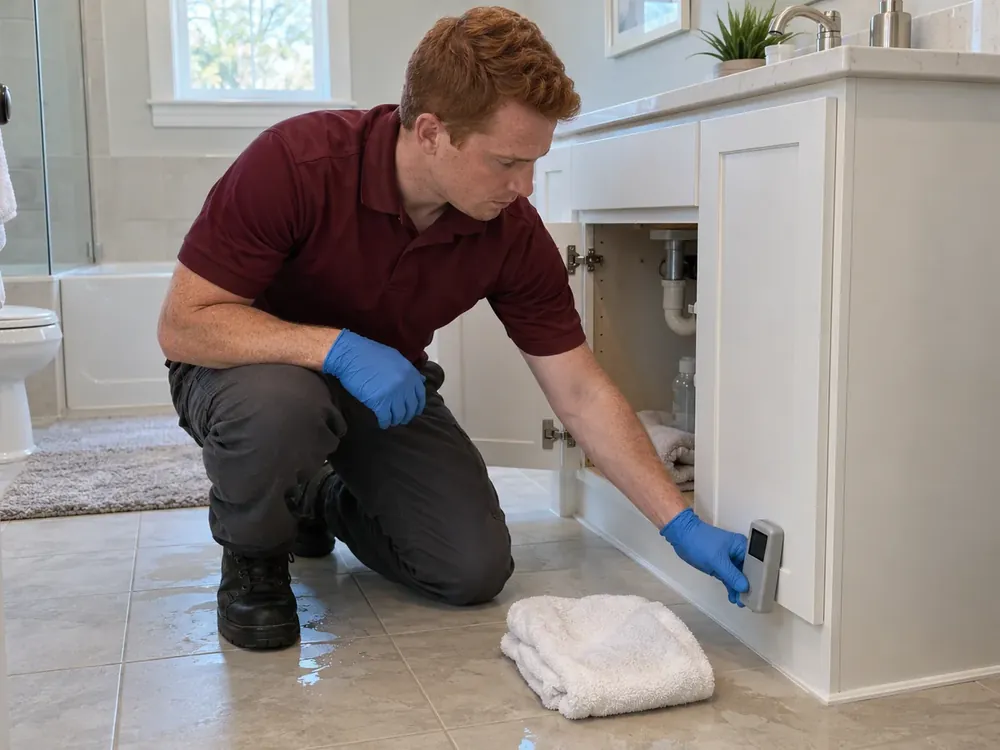
- Bathroom water pools around the vanity or escapes beneath the door after an overflow.
- Basement water covers the floor around stored boxes after rain or a pipe failure.
- Laundry room water runs from beneath the washer into hallway carpet.
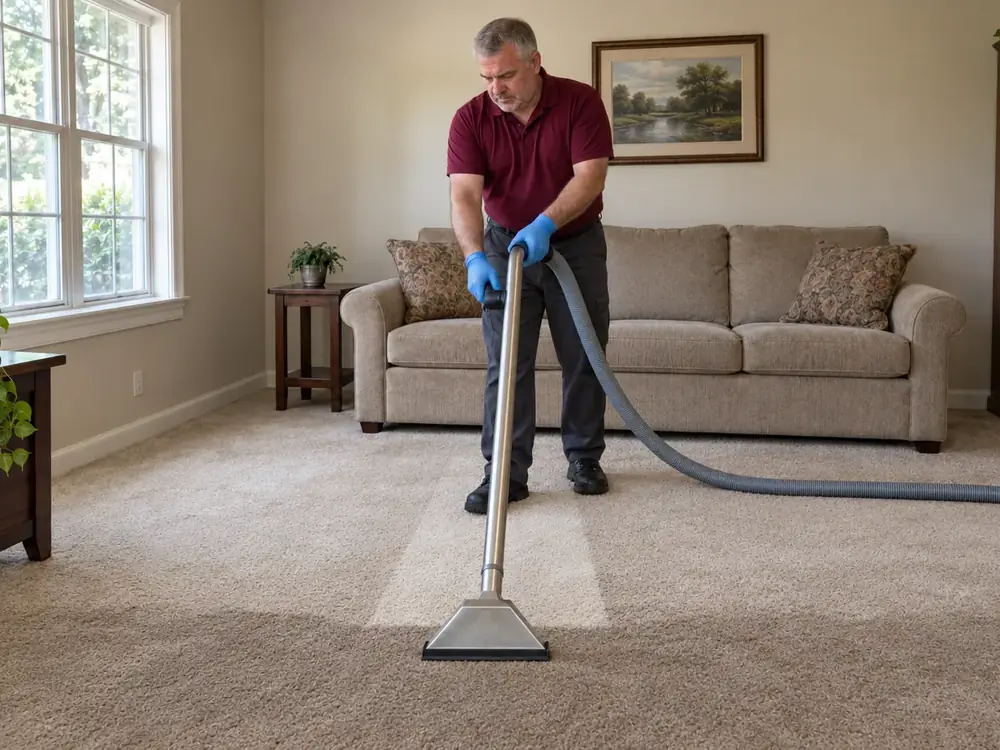
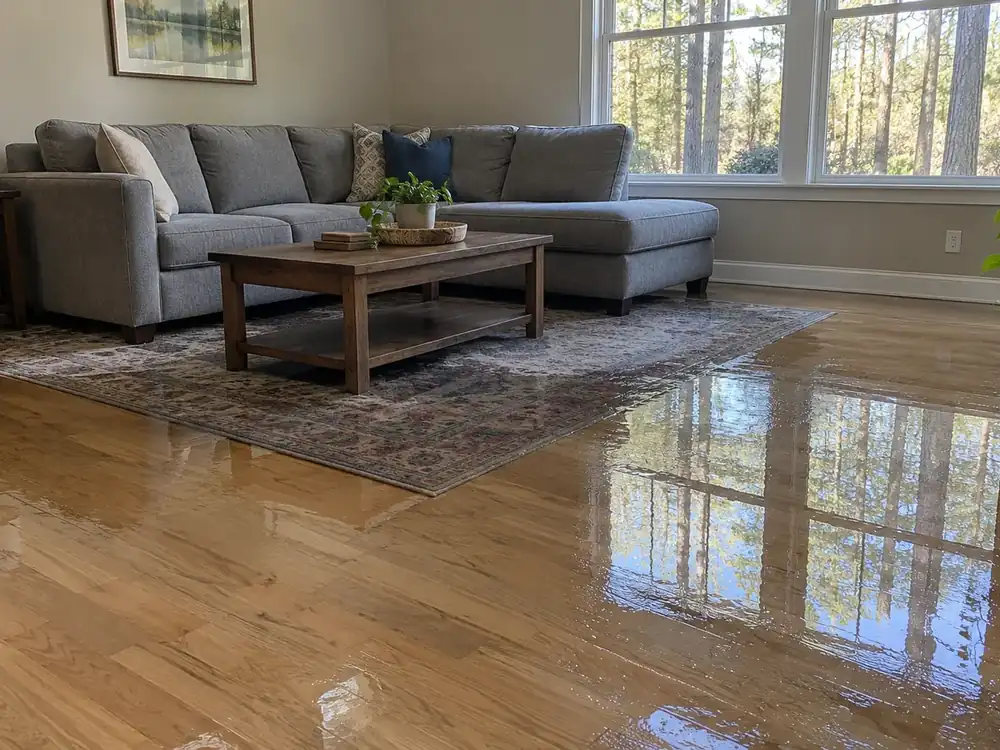
- Living room carpet feels saturated at the doorway, or hardwood has visible standing water along the wall.
The first hour
- Call from a dry room and describe the water, its suspected source and any nearby electrical equipment.
- Shut off a leaking fixture or the main water valve only when you can reach it safely.
- Keep out of water near outlets or appliances; switch power off only from a dry, safe position.
- Lift small valuables from a safe position without contacting sewage or floodwater.
- Your technician checks hazards and the water source, maps the wet rooms and begins extraction after explaining the scope and price.
Emergency Water Extraction Services for Wet Rooms
- Basement standing water. Pumps remove pooled water after safe access and the water source are assessed. Portable or truck-mounted extraction equipment is selected for the depth, access and affected materials.
- Kitchen and bathroom floors. Extraction removes water along cabinets, wall edges and doorways. Your technician checks adjoining rooms because water can pass beneath a floor covering without leaving an obvious surface trail.
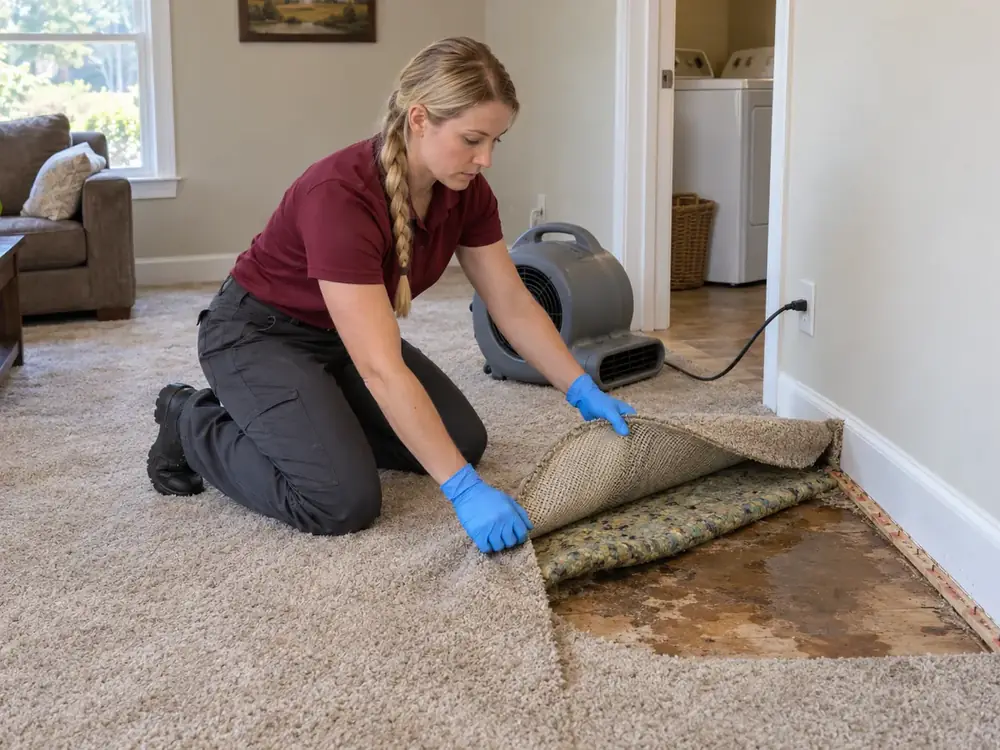
- Living room carpet and pad. Extraction pulls water from saturated carpet, with separate assessment of the pad and subfloor. Contamination and material condition determine what can remain for drying.
- Furniture and belongings. Contents are moved or protected to give access to wet floors. Your technician discusses handling furniture resting on damp carpet or standing water.
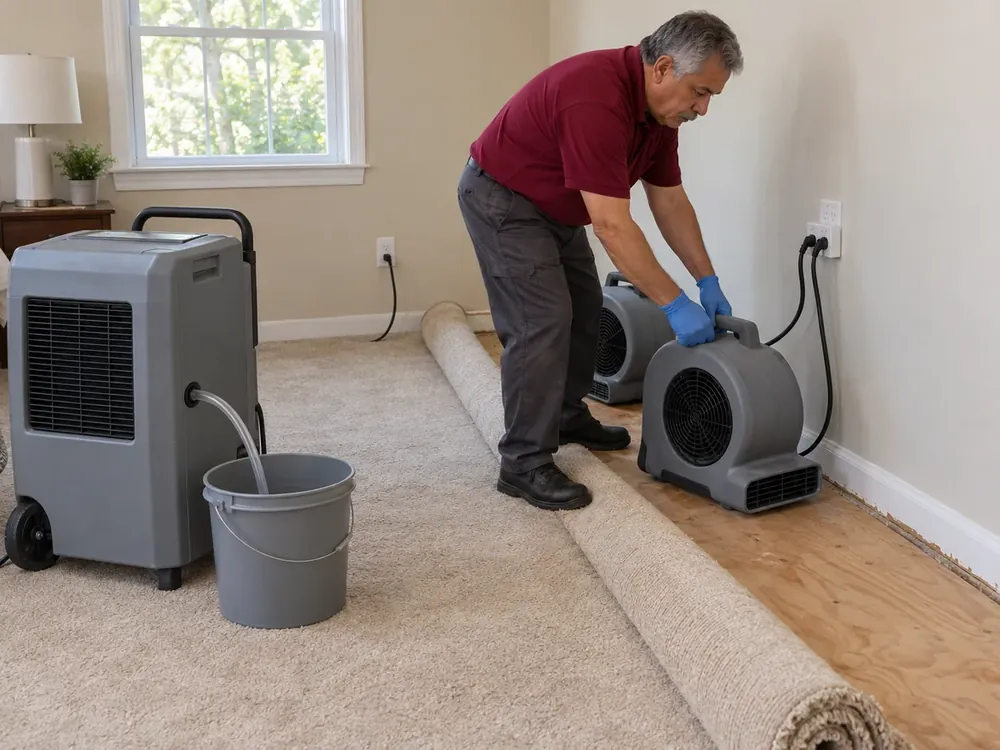
- Moisture checks and drying. Readings map wet materials in each room. Air movers and dehumidifiers follow extraction, with placement based on the drying plan and contamination conditions.
The Emergency Water Extraction Process
- Call about the room where water is pooling, whether it is still entering and any hazards visible from dry ground. Emergency water removal begins with understanding the affected rooms.
- Your technician assesses the source and safety, then maps moisture through cabinets, carpet, walls and adjoining spaces.
- Discuss the extraction and drying scope, including the wet materials involved. The price is explained and the work agreed before extraction starts.
- Standing water is extracted, then the remaining moisture is addressed with drying equipment. Repeat material readings document progress until drying goals are reached.
What Affects Water Extraction Costs in Chapel Hill
The volume of standing water and the rooms it reached determine how much extraction and drying are needed.
- A deep basement pool requires different equipment from water along a kitchen cabinet.
- Sewage or outside floodwater changes the cleanup precautions and material handling.
- Carpet pad, subfloor layers and cabinet bases differ in access and drying needs.
- Longer exposure can leave more materials wet beyond the visible edge.
- Drying days, equipment needs, tight crawl-space access and work outside regular hours affect the scope.
One of our local water damage partners explains the room-by-room work and its price before starting. Read more about water damage restoration cost factors, or call now about the affected rooms.
Records for Your Water Damage Insurance Paperwork
Room-by-room records show where water collected and how extraction and drying progressed.
- Photograph the whole kitchen, bathroom or basement, then the water line and affected flooring.
- Record ceiling stains and damaged contents without entering unsafe areas or standing beneath bulges.
- Keep the technician's moisture readings and written scope with the dates of visits.
- Save receipts and a list of damaged belongings, including photos already available.
Use the water damage documentation checklist to organize the records. Call now about standing water; photos can be taken from safe positions as the work progresses.
Safety Around Standing Water in Your Home
Stay out of a kitchen, laundry room or basement where standing water surrounds outlets, cords or plugged-in appliances. CDC electrical safety guidance says never to enter water to reach the main power switch. Switch off power only from a dry, safe position; otherwise leave that task to an electrician.
Wet tile and hardwood are slippery, so keep children and pets outside the affected rooms. Avoid contact with sewage or outside floodwater; CDC warns that floodwater can contain waste, chemicals and hidden debris. Stay away from sagging ceilings, and don't pull wet appliances away from the wall. Call from a dry place and describe the hazards alongside the rooms that need extraction.
Services After Standing Water Removal
Water Extraction in Chapel Hill and Nearby Towns
Emergency extraction serves wet rooms in Chapel Hill, Carrboro and Durham, along with Cary, Morrisville, Apex, Holly Springs, west and northwest Raleigh, Mebane and Graham.
Emergency Water Extraction FAQs
What is emergency water extraction?
Emergency water extraction is the removal of standing water and excess water held in materials such as carpet. In a living room, your technician checks the source and electrical hazards, extracts water from the floor and assesses the pad beneath it. Drying addresses moisture that remains afterward.
What does water extraction mean for a wet kitchen floor?
Kitchen water extraction means removing pooled water while checking where it traveled beneath cabinets and flooring. A clear patch beside the sink doesn't show whether the cabinet base or subfloor is wet. Your technician uses moisture readings to map those materials and explain the extraction and drying work.
What is the process of removing water from several rooms?
Removing water from several rooms starts with a safety assessment, source checks and a map of wet materials. Extraction then follows the water from the original room into adjoining floors and wall edges. A water removal emergency may involve both bathroom tile and hallway carpet, each needing a different approach.
Does extracting water remove water stains?
Extraction removes water, but a ceiling ring or cabinet stain may remain after the material dries. Your technician assesses the moisture and material condition before discussing repair work. In a kitchen, a swollen cabinet base needs separate attention from a puddle on tile. Call about active moisture even when staining looks small.
Does water removal finish the restoration work?
Water removal is usually one stage of emergency water damage restoration; moisture can remain inside flooring, cabinets and walls after puddles disappear. In a bedroom, damp carpet pad and subfloor may still need controlled drying. Your technician records moisture readings and explains any additional cleanup or repair work in the scope.
Call now for water pooling in the basement, kitchen or living room, and describe how far it has spread.
Call (919) 343-9143