
Chapel Hill, North Carolina
Flood Cleanup in Chapel Hill, NC
Our local water damage professionals remove floodwater, clean affected surfaces and dry downstairs rooms. Call for flood cleanup service in Chapel Hill when muddy water crosses the kitchen floor, soaks living room carpet or collects in the basement.
- Calls answered 24/7
- Flood cleanup
- Serving Chapel Hill and nearby
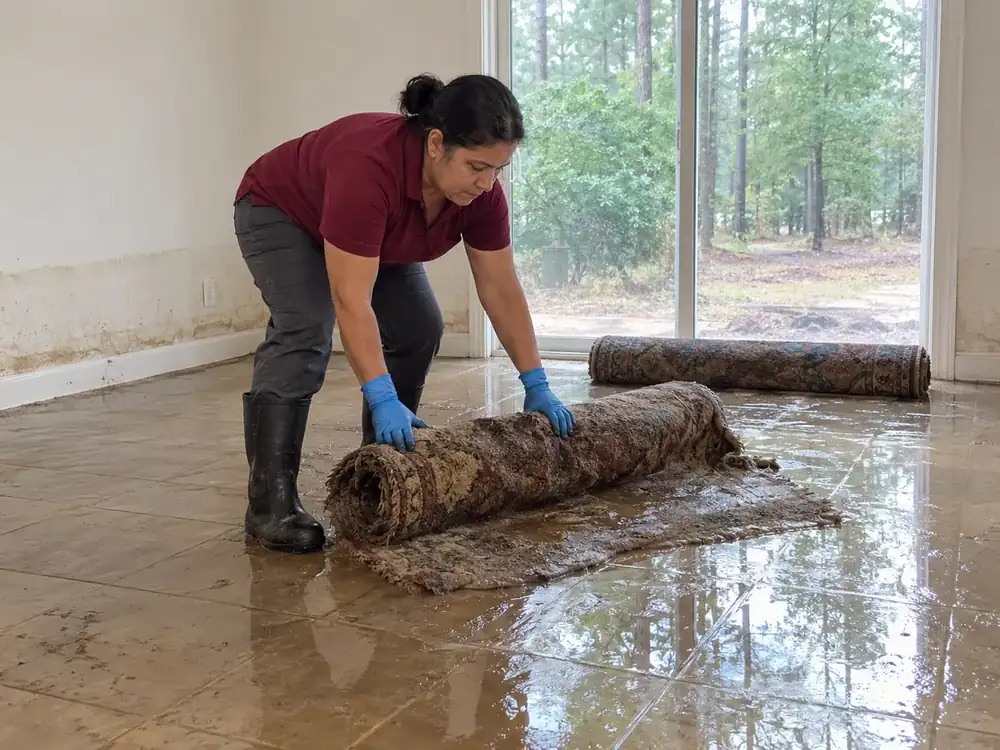
Signs Your Downstairs Rooms Need Flood Cleanup
Where it shows up
- Basement water covers the floor and darkens boxes along the wall; keep everyone off the stairs into water.
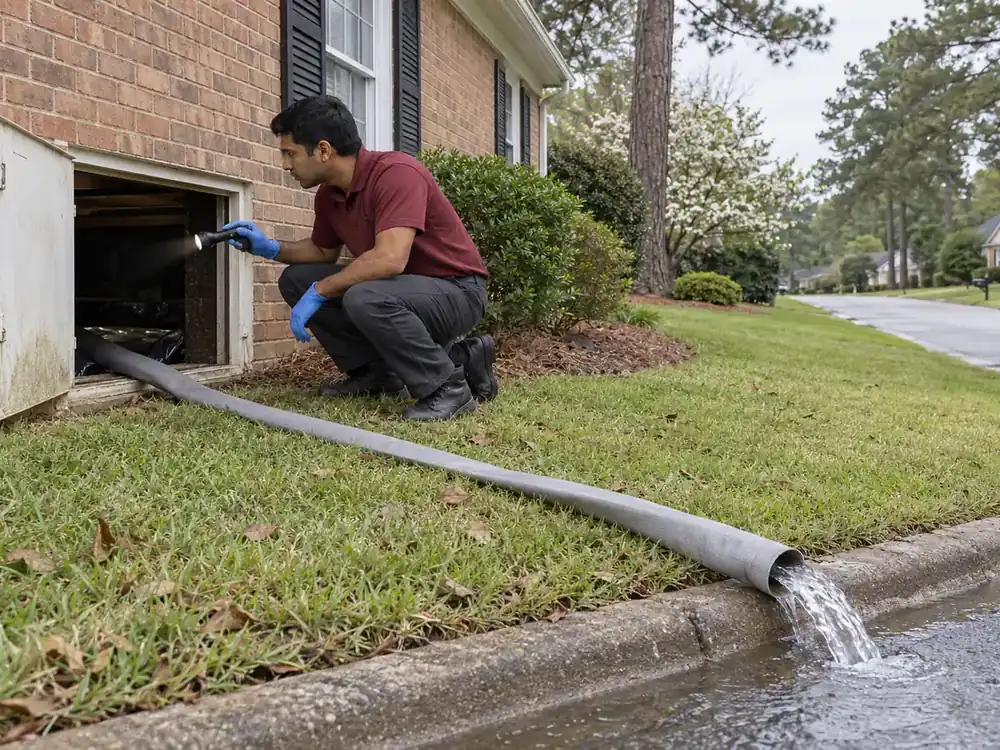
- Crawl-space water pools beneath the floor framing; describe what you see from outside the opening during your call.
- Garage mud collects at the door and spreads around stored belongings; avoid touching the water or debris.
- Kitchen water enters beneath an exterior door and reaches cabinet bases; take pictures from a dry doorway.
- Living room carpet stays dark after surface water recedes, with muddy marks on baseboards; call about the wet rooms.
The first hour
- Call now from a dry place and describe the downstairs rooms taking on water.
- Keep people and pets out of floodwater, which may contain sewage or chemicals; never walk or drive through moving water.
- Photograph the kitchen, living room and basement only from safe, dry positions, without going beneath sagging ceilings.
- Your technician checks access and electrical hazards first, then begins pumping and extraction when entry is safe.
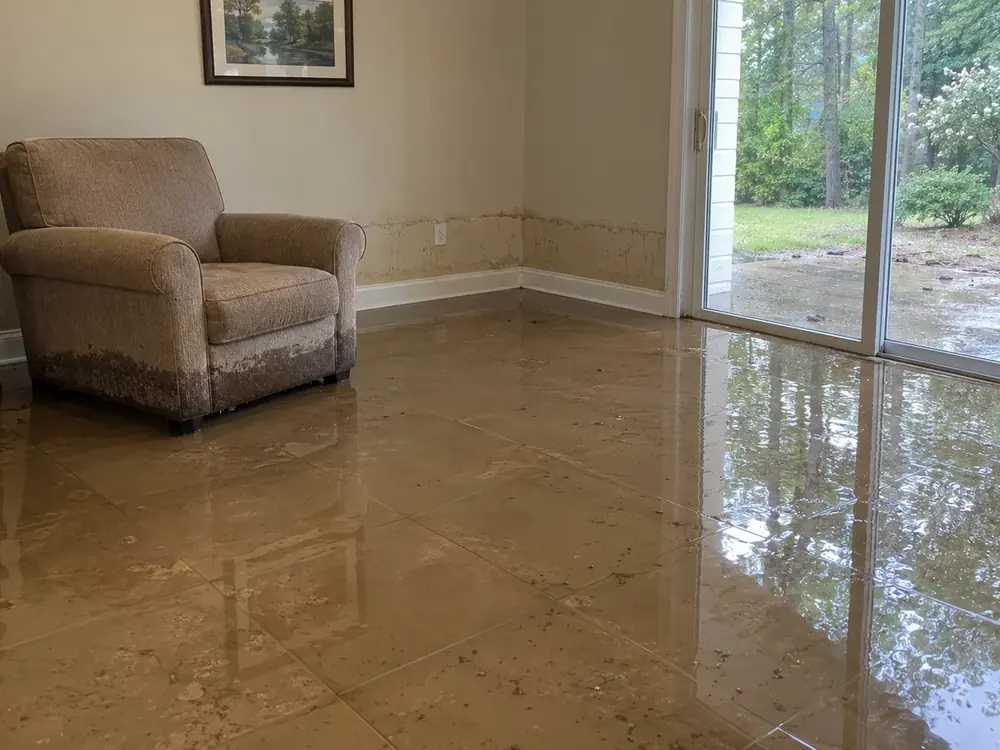
Flood Cleanup Services for Wet Rooms
- Basement pumping. Water that enters from a storm or overflowing creek is pumped out after safety checks. Your technician then extracts water left along walls and around the edges of the floor.
- Living room material removal. Soaked carpet, padding and drywall that cannot be dried are removed as part of the agreed scope. The assessment separates materials needing removal from surfaces that can be cleaned.
- Kitchen surface cleaning. Mud and residue are cleared from affected hard surfaces, followed by cleaning and disinfecting the surfaces floodwater touched. Cabinet bases and adjoining walls also receive attention.
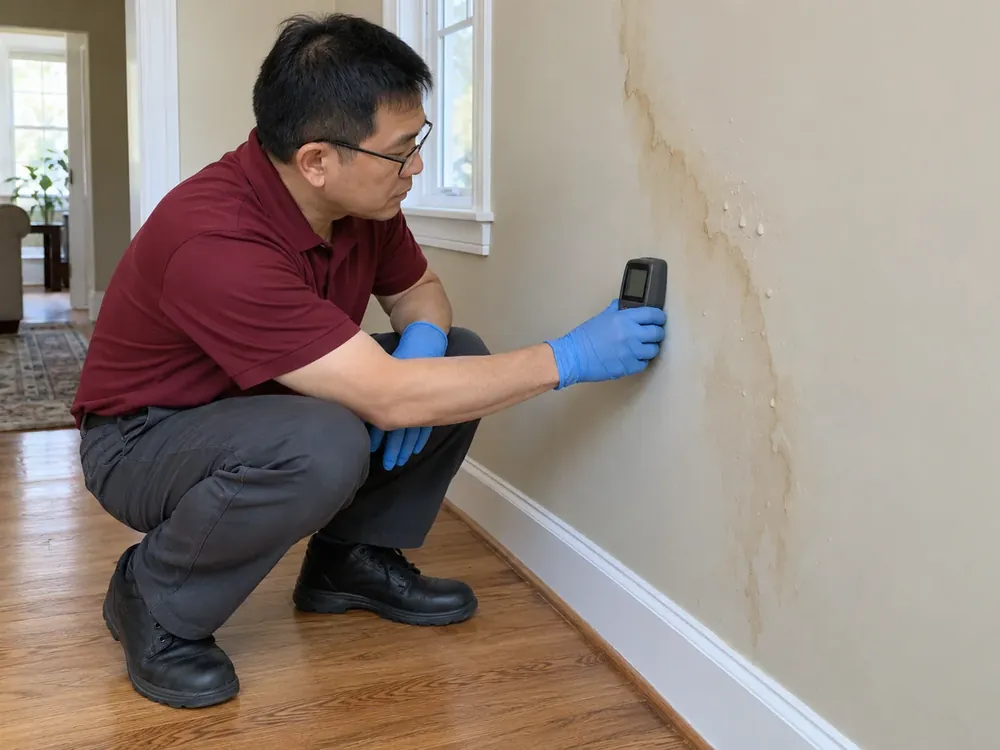
- Hallway and floor drying. Drying equipment addresses moisture remaining in the structure after extraction. Readings track wet areas beneath flooring and at the bottom of walls.
- Room records. Photos, moisture readings and a written scope document the affected rooms and the work performed. Call about flood damage cleanup while keeping clear of contaminated floors.
From Flooded Floors to Documented Drying
- Call and describe where water entered, which downstairs rooms are wet and whether the water is still rising. Share observations from a safe location.
- Your technician checks the entry point and safety conditions, then maps moisture across floors, wall bases and adjoining rooms.
- Review the proposed removal, cleaning and drying work, including the price, before work begins. The scope identifies materials needing removal and surfaces needing treatment.
- Pumping and extraction clear standing water; cleaning and structural drying follow. Your technician repeats moisture readings until affected materials reach drying goals, then records the results.
What Affects Flood Cleanup Cost in Chapel Hill
Water depth, contamination and the rooms affected determine the work involved.
- A flooded basement needs different access and pumping than a shallow sheet across kitchen tile.
- Mud, sewage and debris increase cleaning and material removal needs.
- Wet carpet, cabinet bases and drywall each require different treatment; time spent wet also matters.
- Drying days, equipment, a tight crawl-space opening and after-hours work affect the scope.
One of our local water damage partners explains the planned work and its price with you before starting. Read about restoration cost factors for more detail.
Room Photos and Insurance Documentation
Record the affected rooms with photos, moisture readings and a written scope.
- Take wide views of the basement and downstairs rooms from dry positions.
- Photograph water lines on walls, wet flooring, ceiling stains and damaged furniture without entering hazardous areas.
- Keep the moisture readings and written scope from the visit with the room photos.
- List damaged belongings by room, and save receipts for cleanup work and related purchases.
The water damage documentation checklist helps keep those records together.
Staying Safe Around Flooded Rooms
Treat water across the basement or downstairs rooms as contaminated and keep everyone out of it.
- Basement electricity. Never enter a flooded basement while power is on. The CDC's electrical safety guidance says to avoid standing water when reaching a breaker; arrange for an electrician if access is wet.
- Kitchen and living room debris. Mud can conceal sharp objects. The CDC's floodwater guidance identifies sewage, chemicals and debris as hazards; avoid contact even when water looks clear.
- Outside doors. Follow local emergency instructions during a storm. The American Red Cross advises staying out of moving floodwater and returning home only when officials say it is safe. Call from safety about water inside.
More Help for Water-Damaged Rooms
Flood Cleanup Around Chapel Hill
Flood cleanup extends to downstairs rooms in Chapel Hill, Carrboro, Durham and Cary; call about water across floors or collecting beneath the house.
Flood Cleanup FAQs
What should I do when floodwater gets into my house?
Stay clear of flooded rooms and call from a safe place. Keep children and pets away from water in the basement or kitchen, and follow evacuation instructions during an active storm. You can describe the rooms and take photos during the call without entering the water.
Can a flooded house be fixed?
Flood restoration can recover rooms and materials that remain suitable for cleaning and drying. In a living room, contaminated carpet may need removal while a hard floor needs cleaning and moisture checks beneath it. Your technician assesses the affected materials and explains what can be retained and what needs replacement.
What does flood damage repair involve?
Repair work addresses materials left damaged after water removal, cleaning and drying. In downstairs rooms, the scope may include replacing unsalvageable drywall, carpet or flooring. Moisture readings help establish when retained materials are ready for the next stage; a dry-looking surface alone does not show conditions underneath.
How much work does flood cleanup near a kitchen involve?
Kitchen cleanup depends on where water traveled and whether cabinet bases, walls and adjoining floors became wet. Water on tile may also reach beneath cabinets or into the next room's carpet. The assessment identifies extraction, cleaning, material removal and drying needs, with the price explained before work starts.
How can I prepare my downstairs rooms for a flood?
Plan a safe exit and keep important belongings above floors that could get wet while conditions are dry. North Carolina's Flood Risk Information System shows mapped flood areas by address, which helps when planning ahead. During an active flood, follow emergency instructions and avoid entering downstairs water to retrieve possessions; call from safety if water has reached the rooms.
Call now about floodwater in the basement or downstairs rooms, and describe the wet floors from a safe place.
Call (919) 343-9143